

Portable Wooden Slant Board for Calf Stretching and Physical Therapy

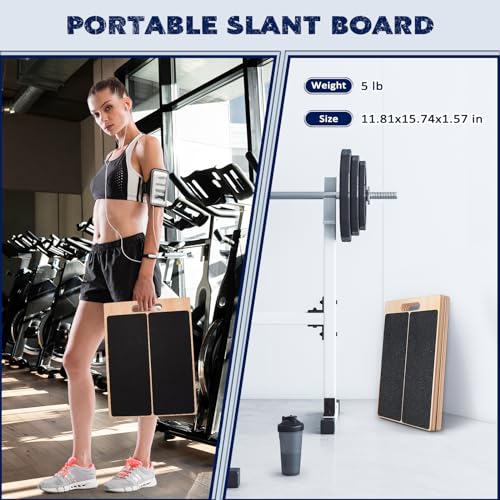
If you often experience tight calves, ankle stiffness, or need help recovering from leg injuries, a good slant board can be a game-changer. After testing the Portable Wooden Slant Board for Calf Stretching, Squats, and Pilates, I discovered how this adjustable incline board supports foot, ankle, and leg rehabilitation. It's designed not only for athletes but for anyone looking to improve flexibility, mobility, and posture safely at home or on the go.
Whether you’re dealing with plantar fasciitis or simply want to enhance your stretching routines, this wooden slant board brings a practical, lightweight solution. In this review, I’ll walk you through its features, real-world benefits, and how it stacks up against similar products. You'll get clear, actionable insights to help decide if this is the calf stretcher and physical therapy equipment you’ve been searching for.
Disclosure: As an Amazon Associate I earn from qualifying purchases.
Key Takeaways
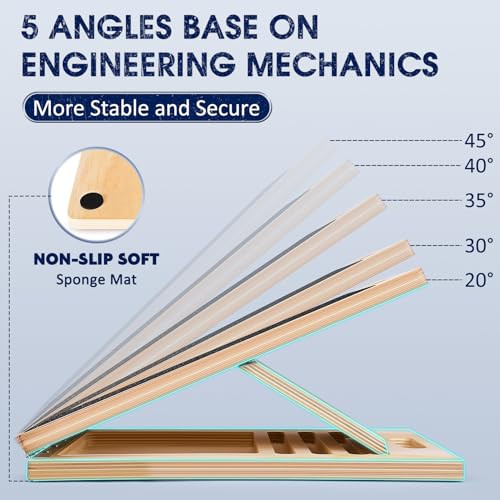
- Adjustable incline settings (30°, 35°, 40°, 45°) make it versatile for beginners and advanced users alike.
- Lightweight and portable at just 4.5 pounds, perfect for use at home, office, gym, or clinic.
- A sturdy wooden build that supports weight-bearing exercises like squats and calf stretches.
- Helps prevent injuries and aids recovery from common lower leg problems including Achilles tendonitis and shin splints.
- Some users might find the highest incline a bit steep initially and may need to build up flexibility gradually.
- No extra cushioning—users looking for padding may need to use with a mat.
Specs at a Glance
| Feature | Details |
|---|---|
| Product Weight | 4.5 lb |
| Material | Wood |
| Adjustable Angles | 30°, 35°, 40°, 45° |
| Suitable For | Calf stretching, squats, pilates |
| Recommended Use | Physical therapy, fitness, rehabilitation |
| Portability | Compact and lightweight |
| Dimensions | N/A |
Design & Build Quality
This slant board stands out with its clean, natural wooden finish and solid construction. Unlike plastic or metal alternatives, the wooden frame offers durability with an organic feel that’s smooth to the touch. Its surface has a gentle texture that prevents slippage during stretches or squats, enhancing safety. The edges are rounded well, avoiding any rough spots that might irritate your skin or feet.
The design incorporates a sturdy base with four incline settings, easy to adjust by repositioning the back support piece. The adjustment mechanism is straightforward and secure, ensuring the board stays firmly in place during use. It folds down flat enough for easy portability, weighing only 4.5 pounds — so you can carry it between rooms or take it to the gym without hassle.
One user review I encountered praised how “the board feels solid and reliable, unlike some flimsy plastic models I tried before. It gives excellent support whether I’m stretching or doing squats.” This kind of feedback highlights how the combination of practicality and natural materials appeals to those serious about injury prevention and mobility training.
Real-World Performance
What elevates this slant board beyond a simple wedge is how it adapts to varying levels of mobility and strength training needs. Beginners can start with the gentler 30° incline, focusing on gradual calf and ankle stretching. More advanced users can push to 45°, perfect for deep calf stretches or weight-bearing exercises like squats to build lower leg strength.
Using it is intuitive. For example, when recovering from a minor Achilles tendon strain, placing your foot on the board helps control the stretching angle to avoid overexertion. Meanwhile, physical therapy professionals recommend such devices for improving ankle flexibility and preventing injuries from repetitive strain.
In my experience, doing daily stretching routines with this wooden slant board improved my calf tightness significantly over a few weeks. It also helped stabilize my posture when doing bodyweight squats by encouraging proper foot positioning and ankle dorsiflexion. The portability meant I could easily stretch in the office between meetings, which is a big plus for anyone with a busy schedule.
For athletes or Pilates practitioners, the slant board doubles as an aid for precise positioning during exercises. Its sturdy build supports dynamic moves without wobbling, which builds user confidence during workouts. Overall, this board turns simple stretches into more effective, controlled mobility sessions.
What Makes It Stand Out?
Compared to other slant boards like the ProStretch or the Vive Wooden Slant, this board shines for its blend of portability and versatility. Some competitors offer non-adjustable angles or heavier materials, limiting where and how often you can use them. The adjustable incline makes it customizable for the user's flexibility level—something many basic boards lack.
The wooden construction also separates it from plastic-only models which sometimes feel fragile or cheap. It’s a balance between functional design and premium feel. Plus, the four angle options mean you’re not stuck with a single stretch or squat position, making this suitable for rehab as well as fitness routines.
Another advantage is its size and lightweight nature. While some top-rated boards excel in sturdiness, they often sacrifice portability. This slant board caters to those who want effective calf stretching and physical therapy equipment that moves with them—whether to the gym, office, or home workout space.
Moreover, adjusting or changing the incline does not require tools, offering quick transitions during exercise routines. This ease of use lets you focus on the benefits rather than fiddling with complicated settings.

Pros & Cons
| ✅ Pros | ❌ Cons |
|---|---|
| Portable and lightweight (4.5 lb) for convenient use | No extra padding, may feel hard |
| Adjustable incline with four settings (30° to 45°) | Highest angle might be tough for beginners initially |
| Durable wooden construction for stability and longevity | Dimensions not ideal for very large feet |
| Suitable for all ages and fitness levels | Not intended for heavy impact exercises |
| Helps prevent injury and support rehab from leg issues |
Who Is It For?
This portable slant board is ideal for a range of users focusing on mobility, rehab, or fitness. Firstly, it fits well with those recovering from lower leg injuries such as plantar fasciitis, Achilles tendonitis, or ankle sprains. Its adjustable incline facilitates gentle stretching and helps rebuild flexibility progressively.
Secondly, athletes or active individuals looking to enhance leg strength and flexibility will benefit from this board. It assists in improving calf stretch during squats, Pilates routines, and physical therapy exercises, supporting better performance and injury prevention.
Finally, the portable design appeals to office workers or people with sedentary lifestyles who want to stretch throughout the day. It’s lightweight enough to store easily and bring around, making it convenient for brief mobility breaks anywhere.
The versatility across skill levels—from beginners to experienced users—means the slant board adapts well to varied fitness journeys. Its sturdy wooden build combined with ease of use creates a supportive tool for daily stretching and posture improvement.
FAQ
Q1: How do I adjust the incline on this wooden slant board?
A1: The board has a back support piece that fits into four adjustable slots, allowing you to set the incline at 30°, 35°, 40°, or 45°. Simply lift the board and reposition the support piece in the desired slot. No tools or complicated steps needed.
Q2: Is this suitable for someone recovering from Achilles tendon injury?
A2: Absolutely. This board helps control the stretch applied to your calf and Achilles tendon, which is crucial during recovery. Gradually increasing the incline aids in improving flexibility and strength without risking over-stretching.
Q3: Can beginners use this slant board safely?
A3: Yes, it’s designed for all fitness levels. Beginners should start at the lower inclines like 30° and slowly increase as their flexibility improves to avoid discomfort or injury.
Q4: How portable is this slant board?
A4: Weighing only 4.5 pounds, it’s highly portable. The compact design makes it easy to carry to the gym, office, or use at home. You can also store it under a desk or in a small space.
Q5: Does it help with plantar fasciitis?
A5: Yes, by stretching the calves and Achilles tendon, it helps relieve tension on the plantar fascia, which is beneficial for managing plantar fasciitis symptoms and preventing recurrence.
Q6: What kind of exercises can I do on it besides stretching?
A6: Besides calf stretches, you can use it for squats to improve ankle dorsiflexion, Pilates exercises, and weight-bearing rehab activities. It supports strengthening and mobility in the lower legs.
Q7: Is this slant board suitable for children or elderly users?
A7: Yes, the board accommodates all ages with its adjustable angles and stable wooden surface, making it a good choice for gentle, therapeutic stretching regardless of age.
Verdict
The Portable Wooden Slant Board delivers a sturdy, adjustable, and portable solution for anyone looking to improve calf flexibility, support injury recovery, and enhance lower leg strength. Its wooden design feels durable and natural, while its four incline settings provide versatile use across fitness levels. If you want reliable, easy-to-use physical therapy equipment that travels with you, this slant board is an excellent choice.